Raven MCP

Raven MCP gives any AI assistant a curated design knowledge graph. It's an MCP server with 107 tools across 9 layers, live and open source.A project starts with a short interview: who the customer is, what problems we're solving, and a baseline for taste, look, voice, and feel, captured as a moodboard. It ships with popular design systems as a starting point and mines one from the project as it grows. Reviews run against systems, heuristics, laws, and trends, weighted by the taste on file, so the findings are specific enough to act on.In a React app, Raven Design adds a second surface: click any element on a live page and edit it in the design system's own tokens, changes stacking in a pending tray. Before anything ships, a design judge critiques the work against the canon, and a Decision Graph remembers why each call was made and flags drift.
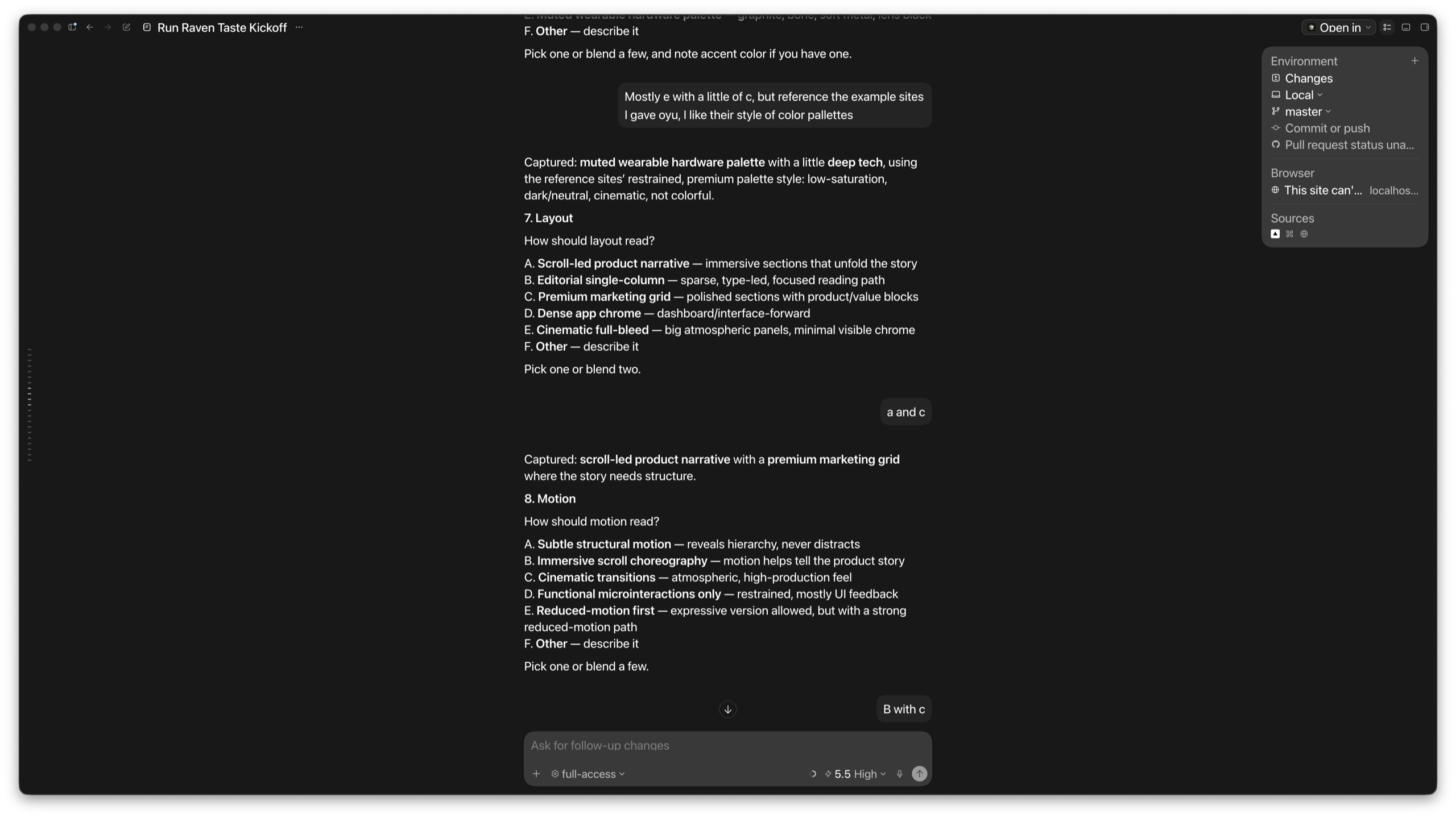
A Codex coding-agent session running Raven's taste-interview tool: multiple-choice Layout and Motion questions with the designer's answers captured inline — the MCP being used inside an agent, not read as documentation.
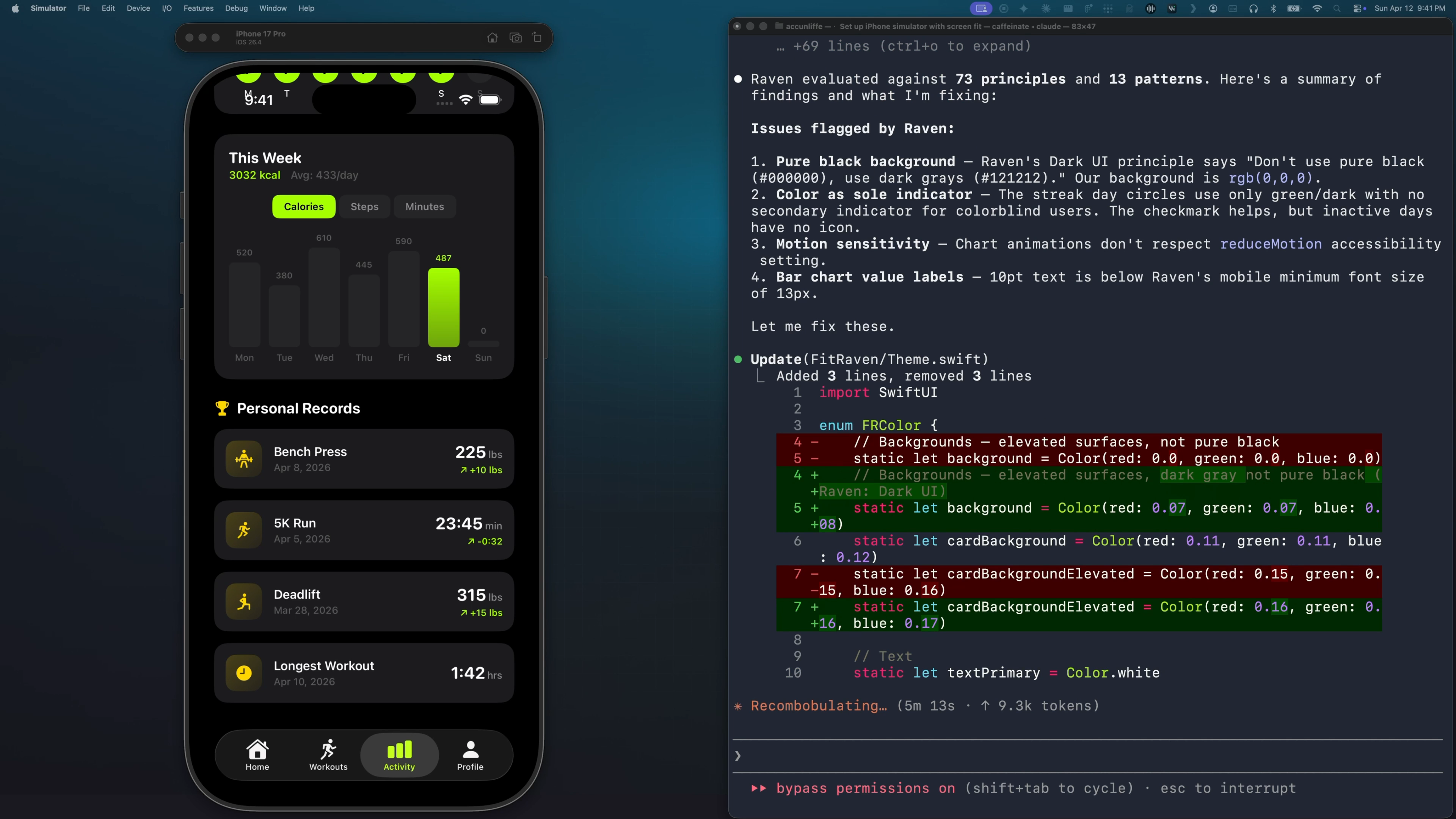
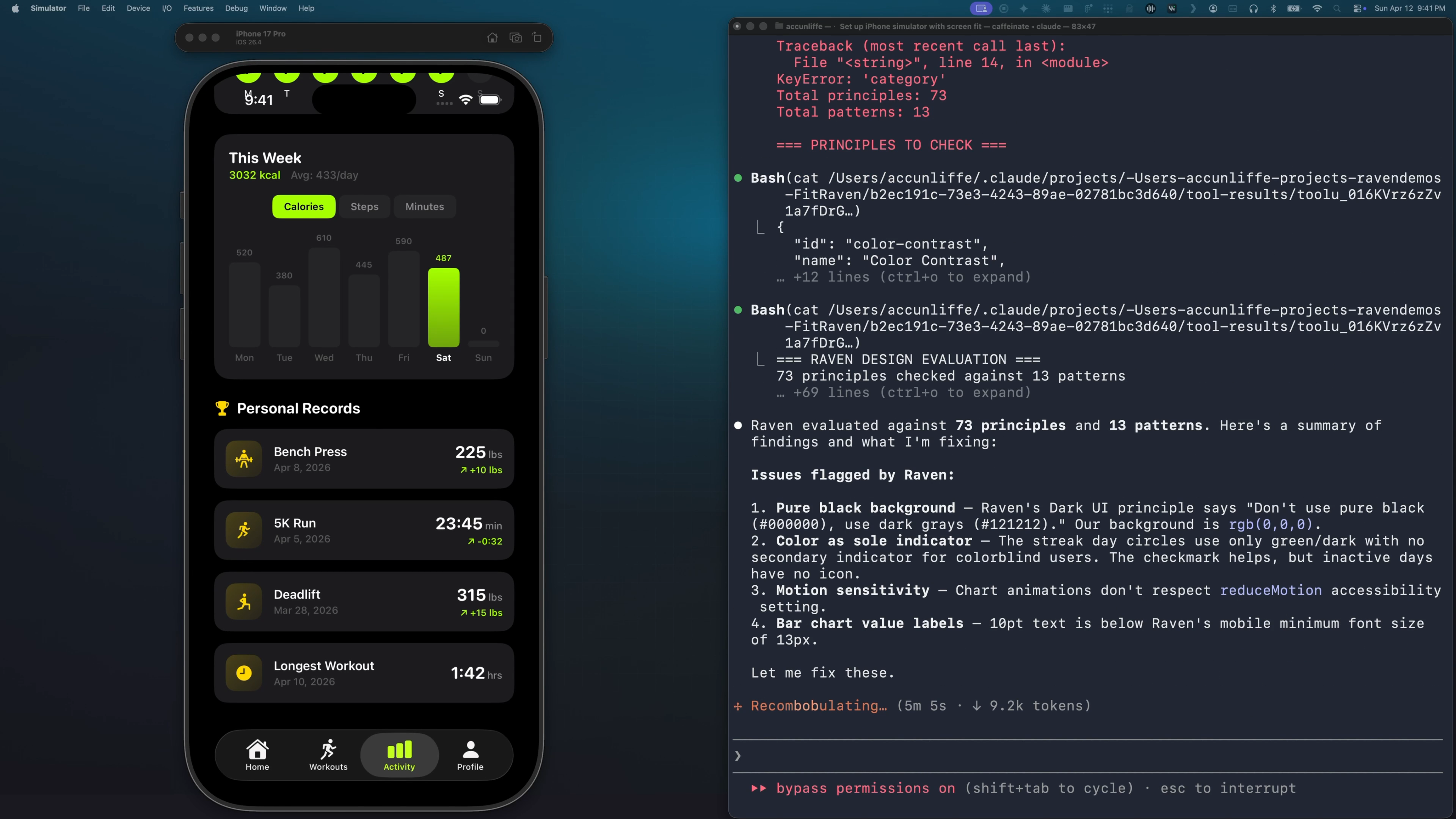
Side-by-side iPhone fitness app stats screen and a terminal showing RAVEN DESIGN EVALUATION listing four flagged issues to fix.
Same iPhone fitness stats screen with a terminal showing the code diff applying the four Raven-flagged fixes.
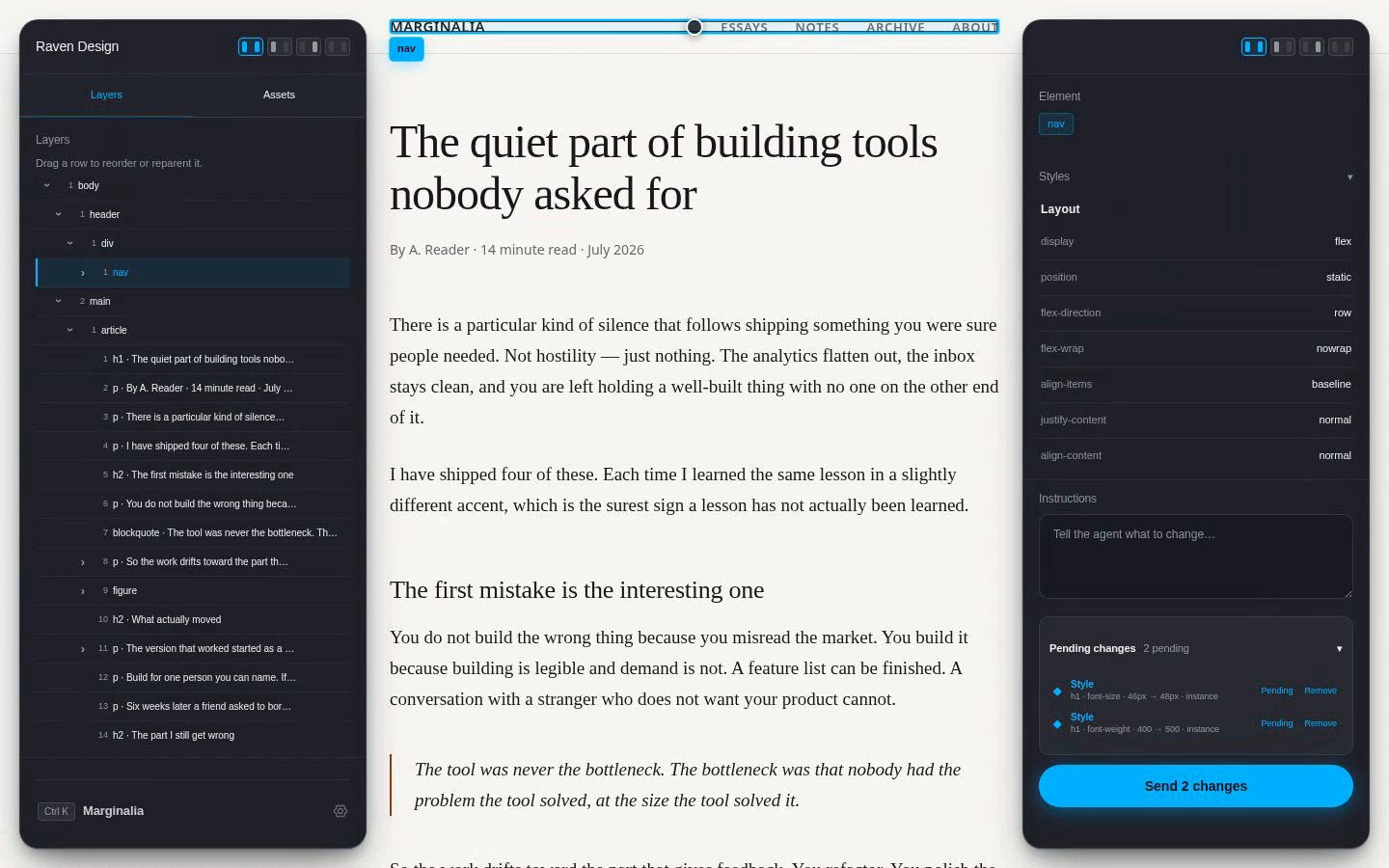
Raven Design open over a live article page: a Layers panel listing the page's element tree on the left, and a styles panel on the right showing the selected nav's computed layout values with two pending changes queued to send.
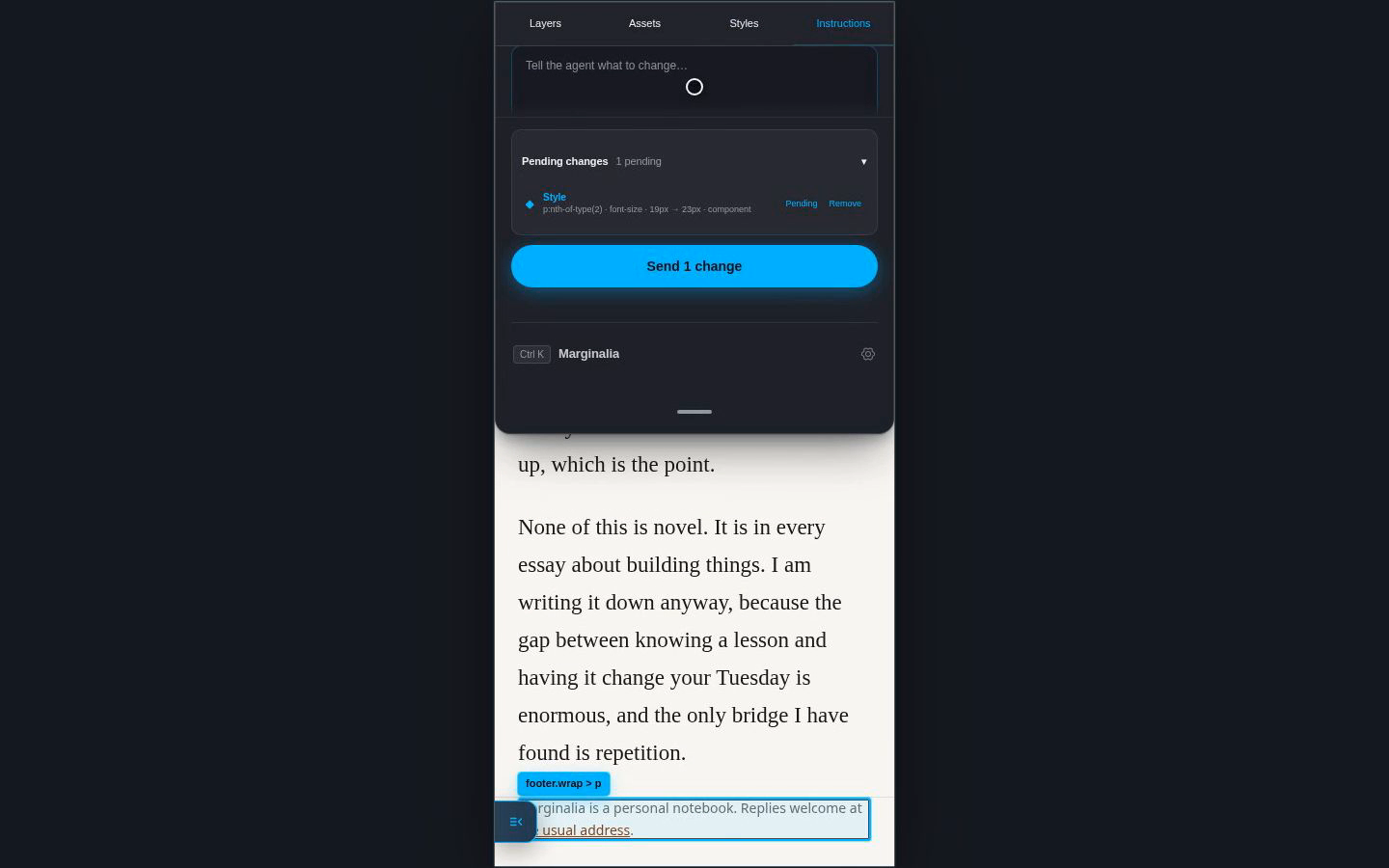
Raven Design at phone width: the layers and styles panels folded into a single bottom sheet with Layers, Assets, Styles, and Instructions tabs, one pending change, and a Send button, above the live page.
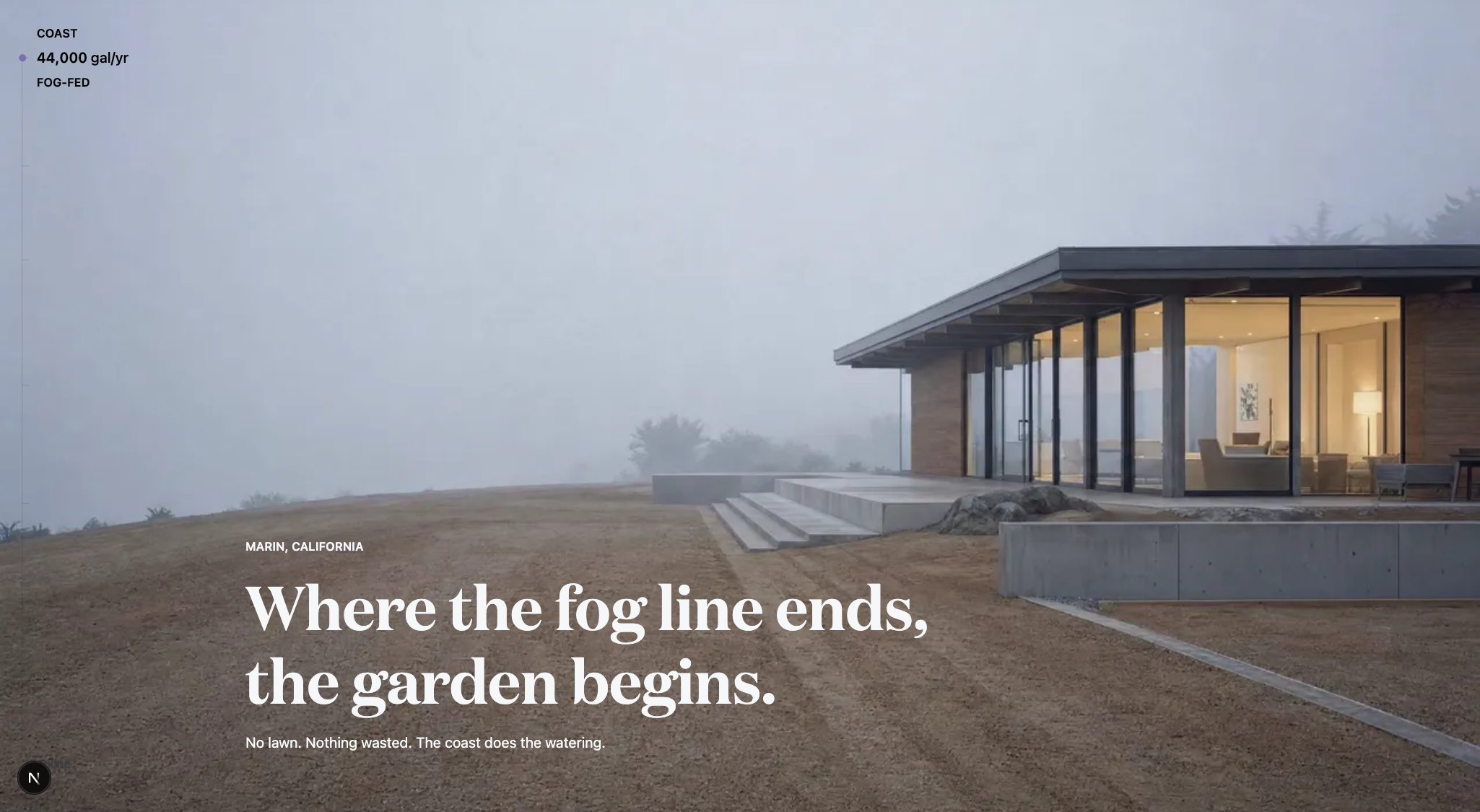
The Fogline site built with Raven — a fog-wrapped coastal house near the beach under the serif headline "Where the fog line ends, the garden begins."
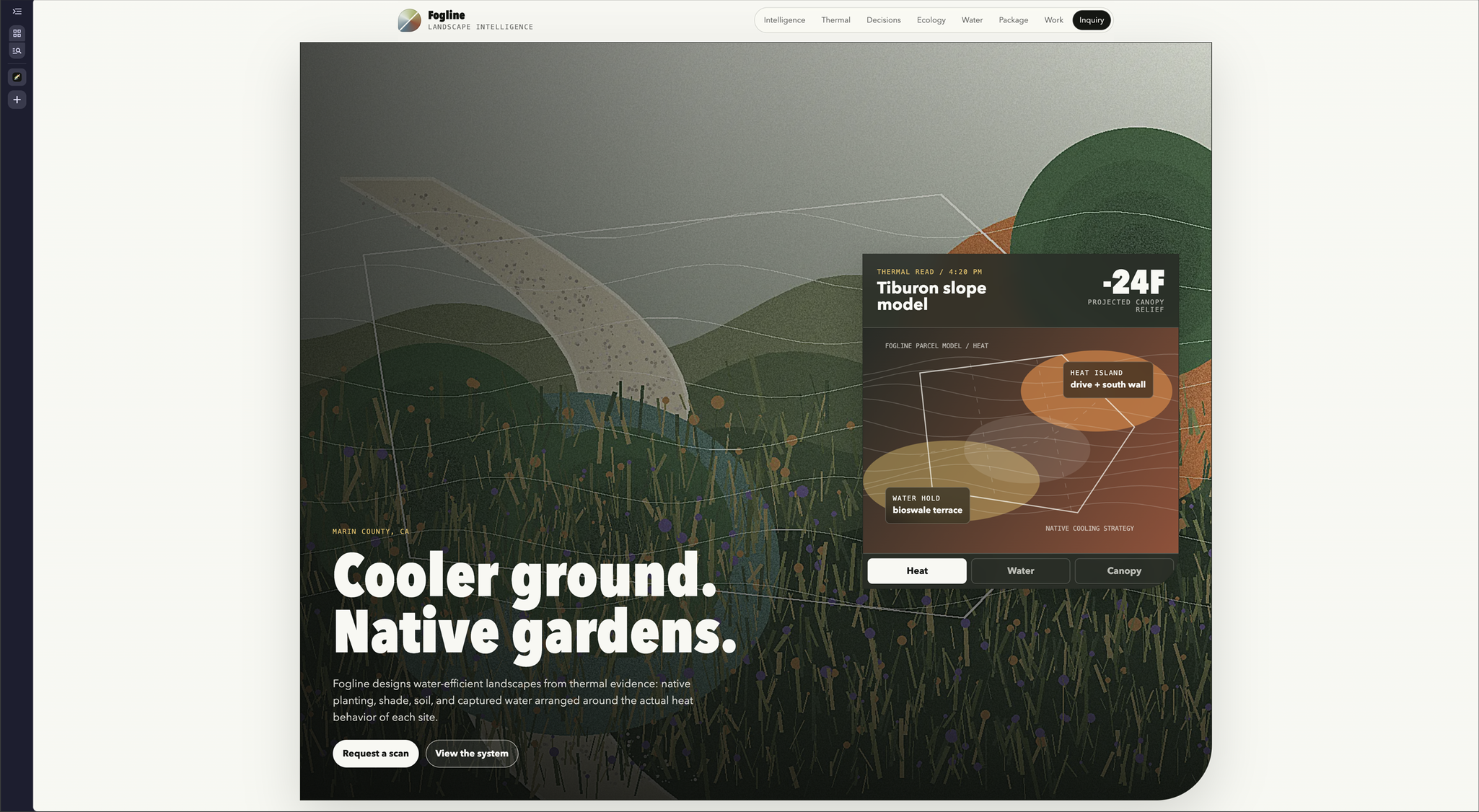
The landscape-architecture brief without Raven — a dense illustrated hero, "Cooler ground. Native gardens.", with full navigation and a thermal-model data card.
Same model, same brief. Without Raven, and the Fogline site built with it. Drag to compare.
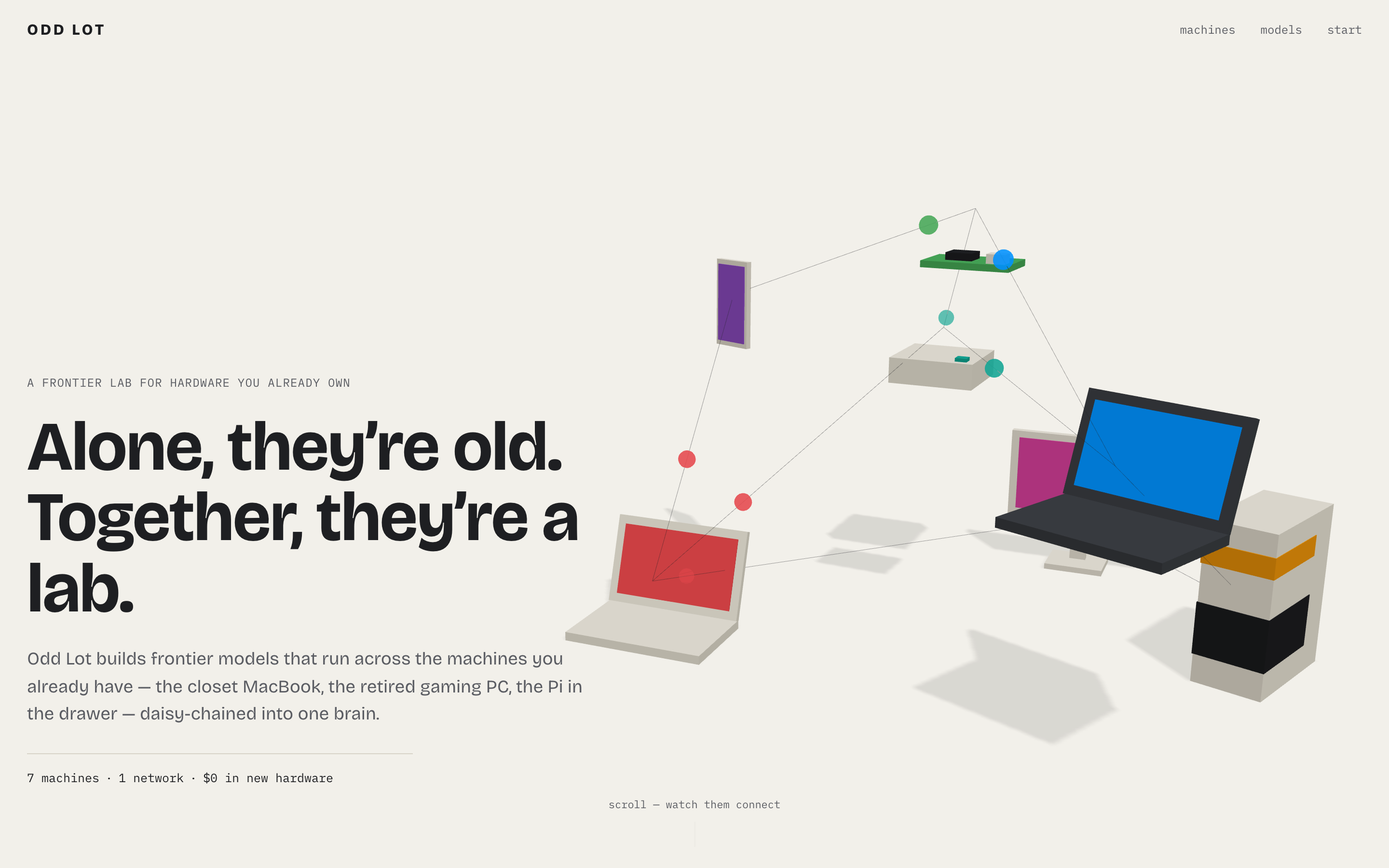
Oddlot v2 3D workshop rebuild.
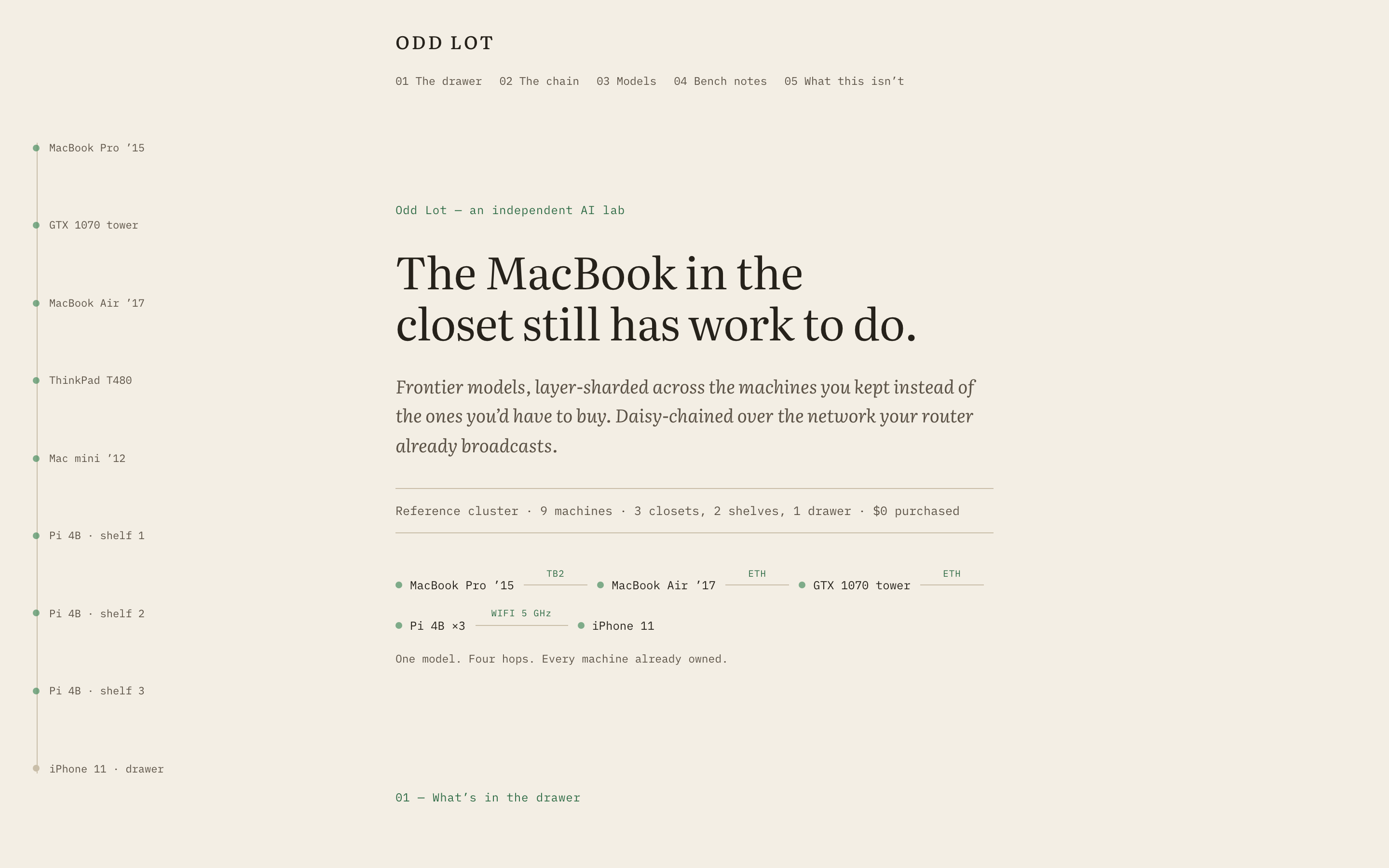
Oddlot v1 editorial page.
Oddlot — the editorial v1 page and the v2 3D workshop rebuild.
Nexus product page rebuilt under the bound taste profile.
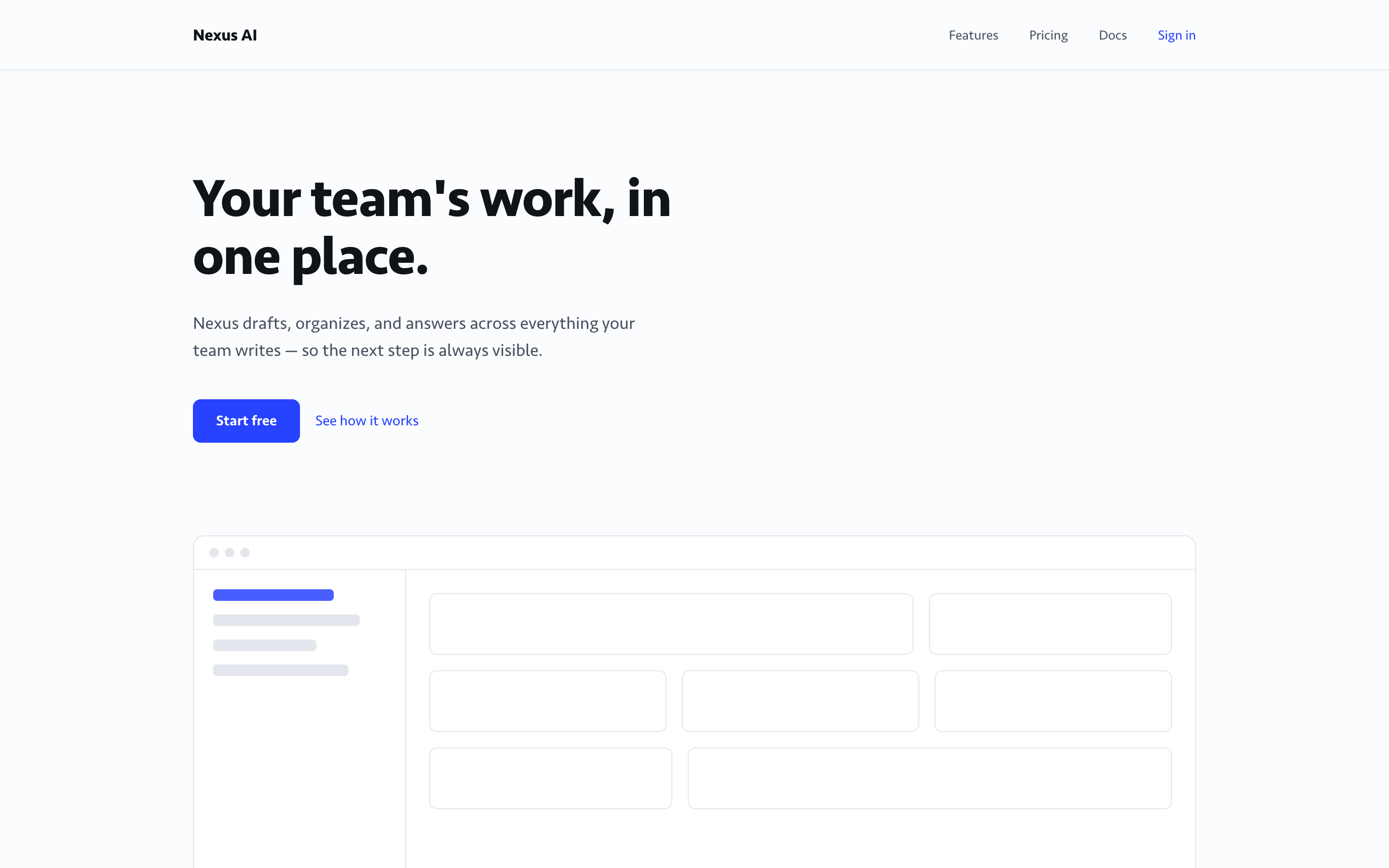
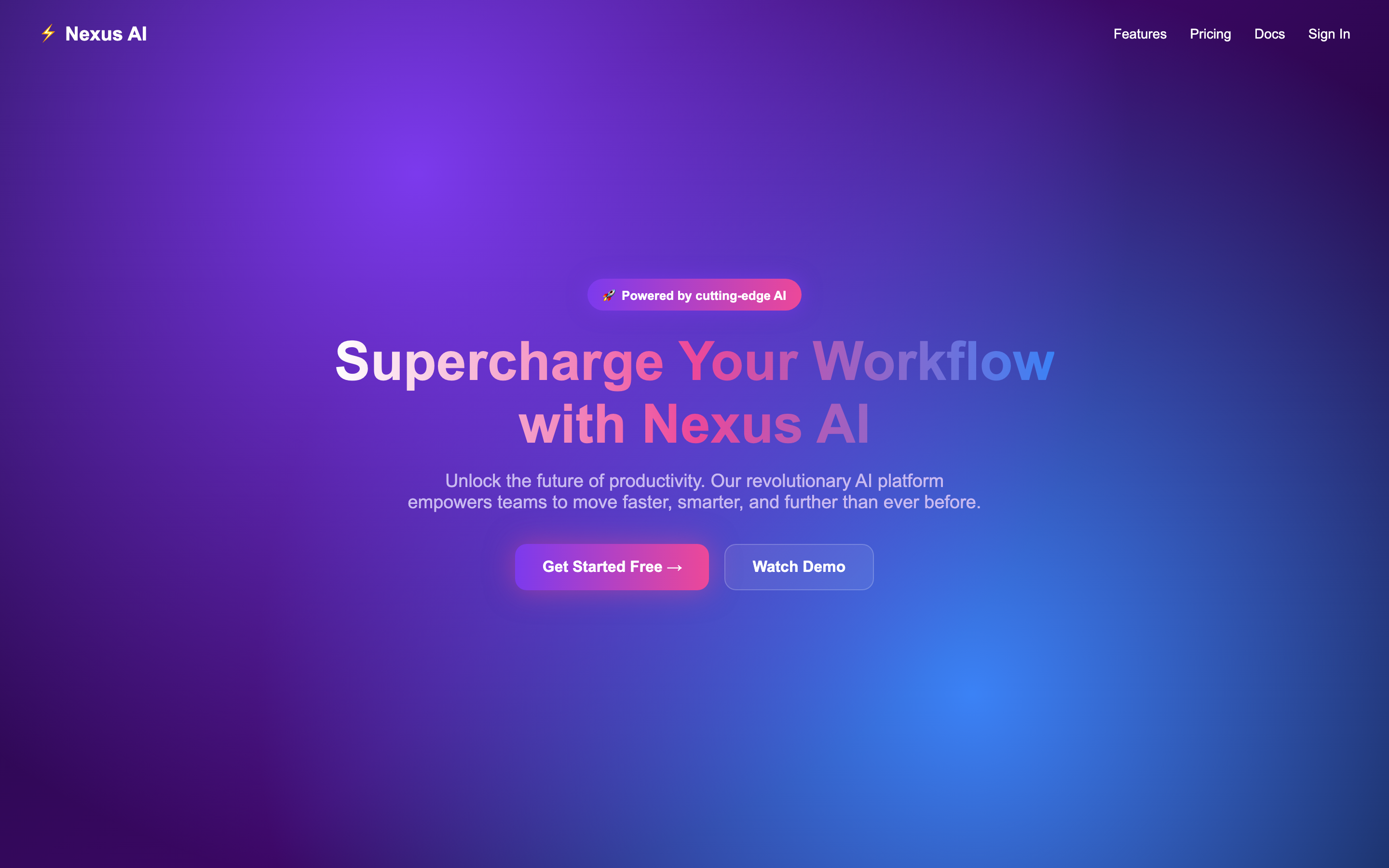
Nexus product page before applying the bound taste profile.
Nexus — Taste Engine exhibit: a generic AI page and the same product rebuilt under the bound taste profile.
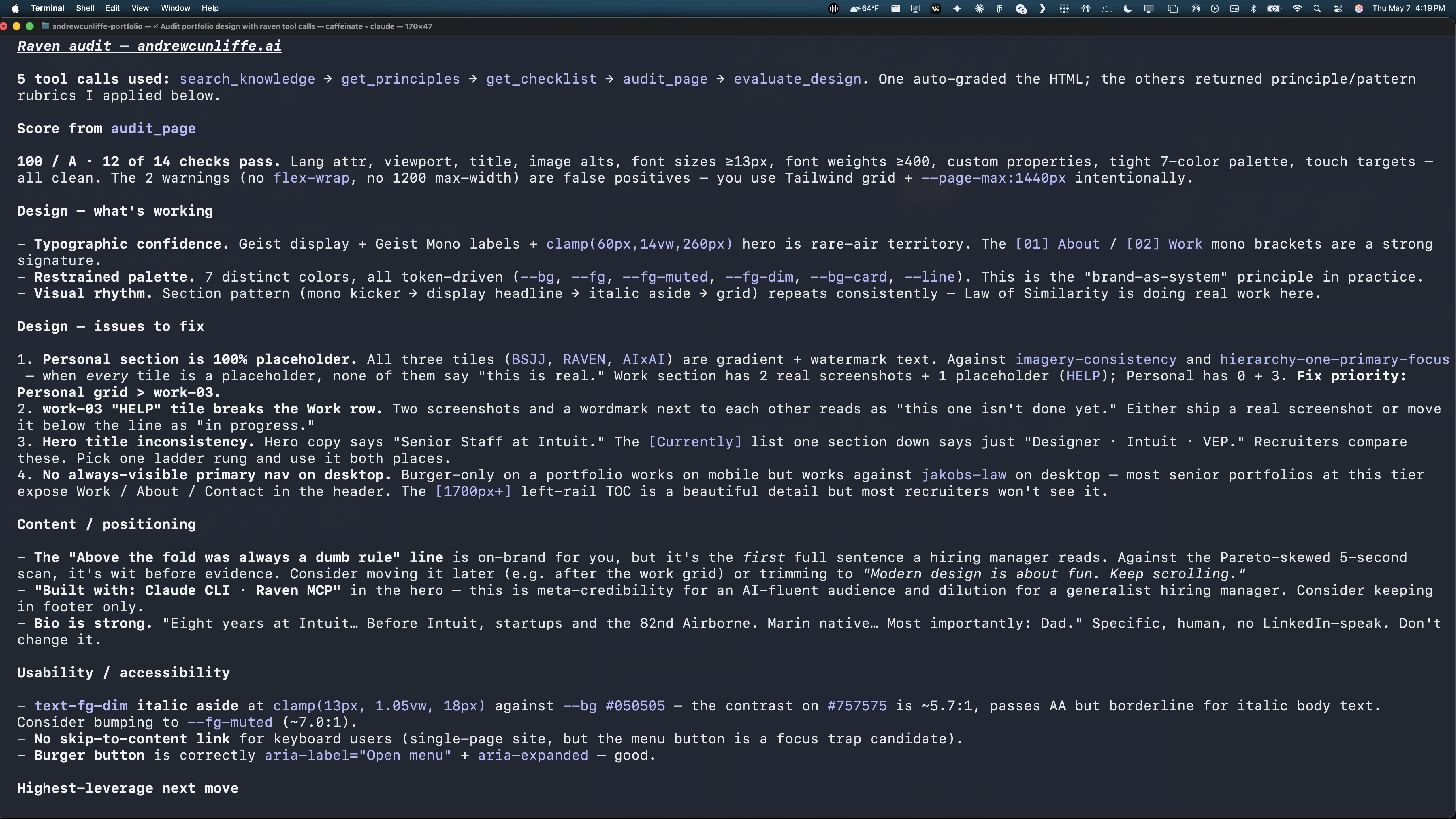
A terminal auditing this portfolio through Raven: five named tool calls — search_knowledge, get_principles, get_checklist, audit_page, evaluate_design — followed by the scored findings.